
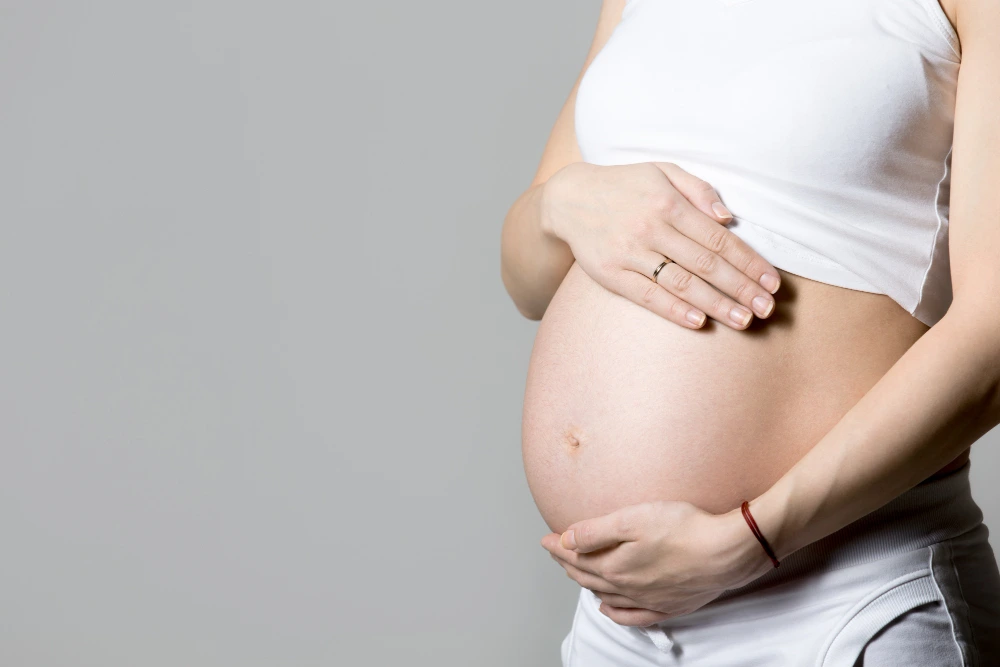
Sciatica during pregnancy is common, especially in the second and third trimesters, and usually feels like sharp, shooting, or burning pain from the lower back or buttock down one leg. It’s often caused by posture changes, loosening ligaments, and strain on the pelvis and sacroiliac joints, and less often by a disc pressing on the nerve. Most pregnancy sciatica improves after delivery, and in the meantime, side sleeping with pillows, gentle stretching, staying active, and gentle hands-on care can help. Back pain with bleeding, cramping, fever, or leg weakness needs a call to your OB or midwife right away.
When to Call Your OB or Midwife Right Away
Most back and leg pain in pregnancy is mechanical, but some symptoms need medical attention. Call your OB or midwife right away, or go to labor and delivery, if you have:
- Vaginal bleeding or leaking fluid
- Cramping, tightening, or back pain that comes and goes in a rhythm, especially before 37 weeks
- Fever, chills, or burning with urination
- A severe headache, vision changes, or sudden swelling of the face or hands
- Swelling, pain, warmth, or redness in one calf, which can signal a blood clot
Go to the emergency room for loss of bladder or bowel control, numbness in the groin or inner thighs, or leg weakness that’s getting worse quickly.
Symptoms of Sciatica During Pregnancy
- Sharp, shooting, or burning pain from the lower back or buttock down the back of one leg
- Pain that worsens with standing, walking, climbing stairs, or rolling over in bed
- Numbness or tingling in the leg or foot
- Deep aching in the buttock or over the back of the pelvis
- Pain that comes and goes, or flares with certain movements
Why Sciatica Happens During Pregnancy
The sciatic nerve is the longest nerve in the body, running from the lower back through the hips and buttocks and down each leg. Several pregnancy changes can irritate it or the tissues around it.
As the uterus grows, your center of gravity shifts forward. The lower back curves more, the pelvis tilts, and the muscles around the hips and lower spine work harder to compensate.
The hormone relaxin, which helps loosen the pelvic ligaments in preparation for birth, can also make the joints of the pelvis and sacroiliac area less stable. That can lead to pain in the buttock and down the leg.
Many people believe the baby presses directly on the sciatic nerve. That’s possible, but most pregnancy-related leg pain actually comes from the pelvis and sacroiliac joints. True sciatica from a herniated disc is less common in pregnancy.
Is It Actually Sciatica or Something Else?
Not all pregnancy-related leg or back pain is true sciatica. Pelvic girdle pain and sacroiliac joint pain are very common in pregnancy and can cause pain that spreads into the buttock and thigh. Tightness in the piriformis muscle can also irritate the sciatic nerve. Our post on piriformis syndrome vs. sciatica explains the difference.
The distinction matters because the best approach depends on what’s causing the pain, which is one reason a careful assessment before starting care matters for both comfort and safety.
Safe Ways to Find Relief at Home
- Sleep on your side with a pillow between your knees and another under your belly.
- Stay gently active with walking, swimming, or prenatal yoga approved by your provider.
- Try gentle stretches, like cat-cow on hands and knees or a seated glute stretch, and stop if anything sharpens your pain.
- Use warmth on your lower back, like a warm compress or warm (not hot) shower. Avoid hot tubs and saunas.
- Consider a pelvic support belt, which helps some women with pelvic and back pain.
- Avoid standing on one leg for things like getting dressed. Sit down instead.
- Ask about pain relief: some pain relievers aren’t safe during pregnancy, so check with your OB or midwife before taking any.
What Makes Pregnancy Sciatica Different to Treat
Some common sciatica treatments are limited during pregnancy. Certain anti-inflammatory medications aren’t recommended, especially later in pregnancy, and many traditional chiropractic techniques involve positioning or pressure that isn’t appropriate for a pregnant body.
That doesn’t mean you just have to endure it. It means the approach needs to suit pregnancy. Network spinal care uses very light, gentle touches along the spine, with no forceful manipulation, twisting, or pressure on the abdomen.
Pregnancy also places extra load on the nervous system, from hormonal shifts to physical changes to the emotional demands of preparing for a new baby. When the body is stuck in a stressed state, the muscles of the lower back, hips, and pelvis tend to stay tighter. Helping the body release that tension can make it easier to move and rest more comfortably.

What Care Looks Like at Life Potential Chiropractic
When a pregnant patient comes to us in Lancaster with sciatic pain, we start with a conversation about what she’s experiencing, when it started, and what makes it better or worse. We screen for any signs that need her OB or midwife first, and we conduct our Stress Response Evaluation to see how her nervous system is handling stress.
Network spinal sessions are adapted to the stage of pregnancy. Positioning is modified as the belly grows, and there’s nothing that requires lying face-down or putting pressure on the abdomen.
Most pregnant patients find the sessions deeply relaxing, and many tell us they sleep better and feel calmer as care progresses. Many also notice changes in their sciatic symptoms within the first several sessions. Every person is different, and results vary depending on the cause and severity.
A Note on Safety
Network spinal care is gentle by design. Any care during pregnancy should still be approached thoughtfully. We work within appropriate boundaries for each stage of pregnancy, coordinate with your OB or midwife when relevant, and take any complications or high-risk factors into account. Always let your prenatal care provider know about any care you’re receiving.
Frequently Asked Questions
Is chiropractic care safe during pregnancy?
Network spinal care uses very light, gentle touches and no forceful manipulation, and we adapt positioning for each trimester. We always do a full assessment first, take high-risk factors seriously, and coordinate with your OB or midwife when needed.
When in pregnancy does sciatica usually start?
It most commonly develops in the second and third trimesters, as posture shifts and the pelvis loosens. Some women experience it earlier, especially if they had lower back problems before pregnancy.
Will the sciatica go away after I deliver?
For most women, it improves after delivery as the body recovers and posture normalizes. The postpartum period brings its own demands, like lifting, nursing, and less sleep, so some women have lingering back or pelvic discomfort. If pain lasts beyond a few months after birth, or you have leaking urine or pelvic heaviness, talk with your provider about a pelvic floor evaluation.
What position is best for sleeping with sciatica during pregnancy?
Side sleeping with a pillow between your knees, and often another under your belly or behind your back, is usually most comfortable. Many women find sleeping on the side opposite the painful leg helps.
If you’re dealing with sciatica during pregnancy in Lancaster and want a safe, gentle option for relief, call Life Potential Chiropractic at (717) 847-6498 or schedule your $29 Discovery Session to talk through what’s happening and how we can help.