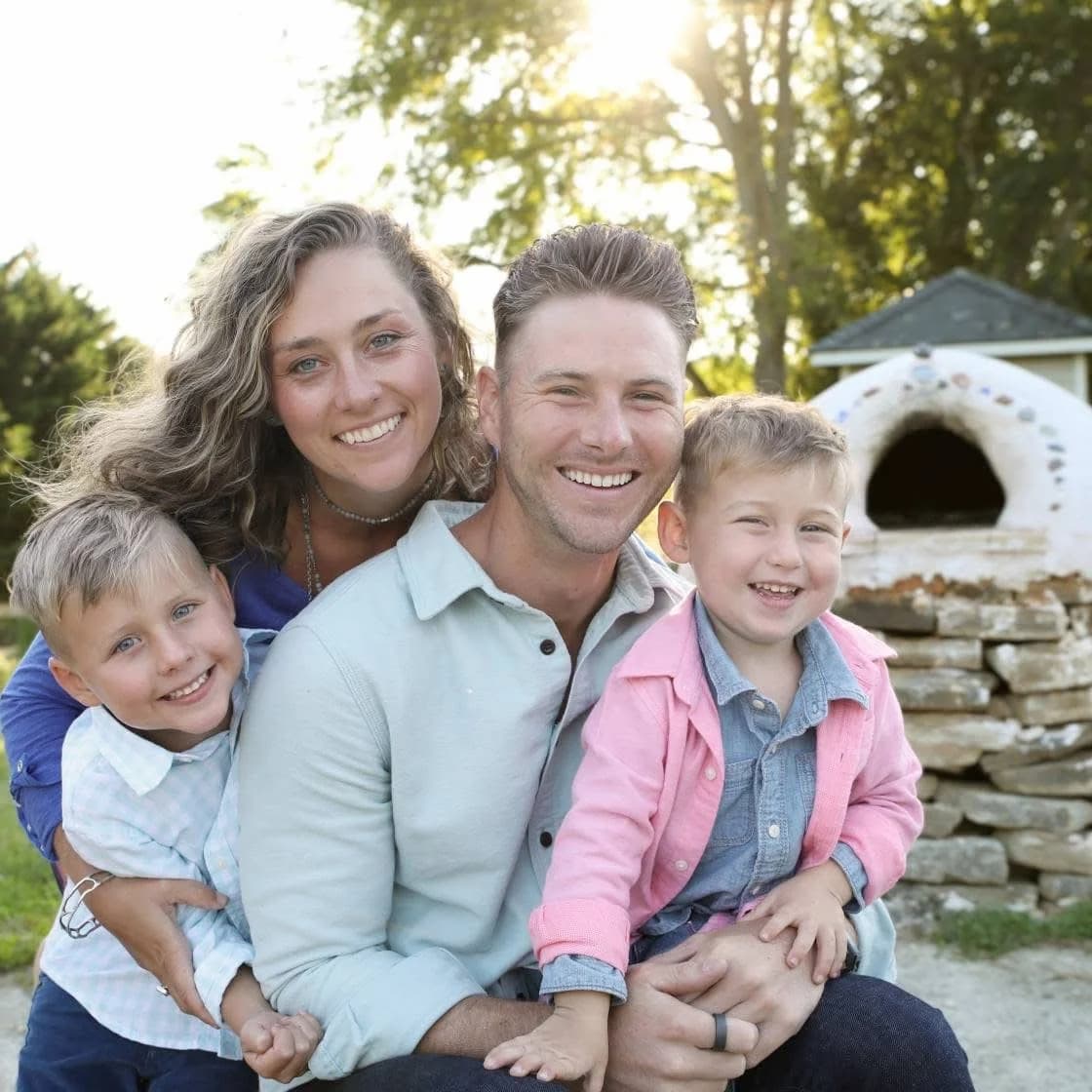

Chiropractic care for children is safe, gentle, and often more beneficial than most parents expect – but it looks very different from adult chiropractic, and understanding what it actually involves helps parents make informed decisions for their family. At Life Potential Chiropractic, care for kids centers entirely on supporting nervous system health, using the same light, gentle approach that makes network spinal care appropriate for all ages.
Why Children’s Nervous Systems Need Support Too
Most parents bring children to a chiropractor for the same reasons adults seek care – pain, injury, or a specific condition that hasn’t responded to other treatment. Those are valid reasons. But nervous system-focused care for children often addresses something more fundamental: the load the developing nervous system is carrying, and how well it’s able to adapt to the demands of childhood and adolescence.
Children’s lives are not low-stress. Academic pressure, social challenges, screen time, irregular sleep, sports injuries, and the emotional demands of growing up all place real load on the nervous system. Add to that the physical stresses of birth, early development, learning to walk, and the inevitable bumps and falls of active childhood – and it becomes clear that children’s nervous systems are navigating a great deal, often without any direct support.
When a child’s nervous system is under more load than it can easily adapt to, it shows up in recognizable ways. Difficulty sleeping. Behavioral regulation challenges. Frequent illness. Digestive issues. Anxiety. Sensory sensitivities. These aren’t always explained by a single diagnosis – they’re often the nervous system’s way of signaling that it’s struggling to keep up.
What Network Spinal Care for Children Actually Looks Like
The first thing most parents want to know is whether it’s safe – and whether it involves the forceful adjustments they associate with chiropractic for adults. The answer to both is reassuring.
Network spinal care for children uses the same gentle, light touches along the spine that it uses for adults – adapted for a smaller body and a more responsive nervous system. There’s no cracking, no twisting, no forceful manipulation of any kind. The pressure used is often no more than you’d use to test the ripeness of a piece of fruit.
Children’s nervous systems tend to be more responsive to this kind of care than adults’ – partly because they haven’t had decades to accumulate and entrench stress patterns, and partly because the nervous system is still in active development during childhood and adolescence, making it more plastic and adaptive. Many parents are surprised by how quickly their children respond and how much they come to enjoy their sessions.
Sessions for children are also typically shorter than adult sessions, and we take time to explain what we’re doing in a way that makes kids feel comfortable and safe. The goal is for every child to feel that the office is a welcoming, non-threatening place – which matters for nervous system care just as much as the care itself.
Conditions and Challenges We See in Children
Parents bring children to Life Potential Chiropractic in Lancaster for a wide range of reasons. Some of the most common include:
Sleep difficulties. Children who struggle to fall asleep, wake frequently, or consistently wake unrefreshed often have nervous systems that can’t fully downshift into the parasympathetic state that deep sleep requires. Nervous system-focused care helps create the conditions for that transition to happen more naturally.
Anxiety and emotional regulation challenges. A nervous system running in a chronic stress state in a child looks like irritability, meltdowns disproportionate to the trigger, difficulty transitioning between activities, and persistent worry. These aren’t always behavioral problems – they’re often nervous system problems that respond well to gentle care.
Sensory sensitivities. Children who are easily overwhelmed by noise, touch, crowds, or transitions often have nervous systems that are processing sensory input in a heightened, defensive way. Supporting nervous system regulation can help widen the window of tolerance for sensory experiences.
Frequent illness. Immune function is directly regulated by the nervous system. Children who seem to catch every bug that comes through school, or who take longer than expected to recover, may have nervous systems under enough stress that immune regulation is being compromised. Reducing that nervous system load often supports better immune resilience.
Sports injuries and postural issues. Active kids accumulate physical stress – falls, impacts, the repetitive strain of practicing a sport – that benefits from the same kind of nervous system care adults receive after physical injuries. Addressing these early, rather than waiting for them to become chronic problems, tends to produce the best outcomes.
Headaches. Childhood and adolescent headaches are more common than most parents realize, and they’re often driven by the same combination of postural tension and nervous system stress that produces headaches in adults. Gentle nervous system care can be highly effective for kids dealing with frequent head pain.
Dr. Tony’s Background with Children’s Health
This isn’t a new area for Dr. Tony Miller. Before shifting the focus of his practice to parents and adults, he spent years working with children on the autism spectrum – which gave him deep experience with how the nervous system affects development, behavior, sensory processing, and overall wellbeing in young people.
That work shaped his understanding of something important: you can’t fully separate a child’s nervous system health from the family system they live in. A child whose parent is chronically stressed, depleted, and dysregulated is coming home every day to a co-regulatory environment that keeps their own nervous system on high alert. This is why the parents-first philosophy at Life Potential Chiropractic exists – not to deprioritize children’s care, but to recognize that parental nervous system health is one of the most powerful things we can address for a child’s wellbeing.
Many families find that starting with the parent’s care, then adding care for a child, produces better outcomes for both than starting with the child alone.
What to Expect at the First Visit for a Child
When a parent brings a child in for the first time, we start with a conversation – about what’s bringing them in, what the child’s health history looks like, what the family’s day-to-day life is like, and what the parents are hoping care might support.
We then conduct a Stress Response Evaluation adapted for the child’s age. HRV analysis and brainwave analysis are non-invasive and well-tolerated by children – most kids find them interesting rather than intimidating. The results give us an objective picture of how the child’s nervous system is functioning and where the biggest imbalances are.
From there, we build a personalized care plan and explain it clearly to both the parent and – in age-appropriate terms – to the child. We never do anything without the parent’s full understanding and consent, and we always make sure the child feels comfortable with each step of the process.
A Note on Coordination with Other Providers
Nervous system-focused care works well alongside other support children may be receiving – pediatric care, occupational therapy, speech therapy, counseling. We don’t position ourselves as a replacement for any of those things. What we offer is a complementary layer that addresses the nervous system’s role in whatever challenges a child is navigating – and that often makes other interventions more effective, because a more regulated nervous system is a more responsive one.
We’re always transparent about the scope of what we do and when other providers need to be central to a child’s care. Our goal is the child’s wellbeing – not the expansion of our own role in their care plan.
Frequently Asked Questions
Q: At what age can children start network spinal care?
A: Network spinal care can be appropriate from infancy onward, though the approach is adapted significantly for very young children. The touches used for infants and toddlers are extraordinarily light – the nervous system at that age is highly responsive and requires very little input. We assess each child individually and adapt the approach to their developmental stage and specific situation.
Q: My child doesn’t have pain or a specific diagnosis. Is there still a reason to consider care?
A: Yes. Nervous system-focused care isn’t only for children with diagnosed conditions or obvious pain. If your child deals with sleep challenges, emotional regulation difficulties, frequent illness, sensory sensitivities, or anxiety – even at a mild level – their nervous system may be carrying more load than it can easily adapt to. Supporting that is worthwhile regardless of whether there’s a formal diagnosis attached to it.
Q: How is this different from taking my child to a regular chiropractor?
A: Traditional chiropractic for children typically involves adjustments – often gentler than adult adjustments, but still focused on moving spinal structures. Network spinal care is different in both approach and philosophy. The focus is entirely on the nervous system, the touches are much lighter than even gentle traditional adjustments, and the goal is supporting the nervous system’s development and regulation rather than correcting structural alignment.
If you’re a parent in Lancaster curious about what nervous system care could do for your child, call Life Potential Chiropractic at (717) 847-6498 or schedule a $29 Discovery Session to talk through your child’s specific situation and what we might be able to offer.