Stress Response Evaluation in Lancaster PA
Stressed Out? Stress Response Evaluation
Imagine a life where you can think clearly, sleep deeply, and finally take a sigh of relief. You might not even be aware of your physical, emotional, and mental stress levels… Dr. Tony understands that stress doesn’t just live on your shoulders. Stress manifests itself in your brain, body, or both.
After countless patient visits, feedback, and results, Dr. Tony has developed his stress response evaluation for identifying these hidden stress levels.

Nervous System Stress
We assess the balance between two branches of your autonomic nervous system (ANS) — the Sympathetic (fight or flight), your stress accelerator that speeds things up under pressure, and the Parasympathetic (rest and digest), your recovery system that brings you back to baseline after stress passes. A healthy nervous system shifts smoothly between these two modes, but problems show up when you’re stuck in one or the other — usually fight or flight. This kind of chronic nervous system imbalance often underlies symptoms far beyond stress alone, including headaches and migraines and a weakened immune system, both of which are directly impacted by how well your ANS is functioning.
- Sympathetic (fight or flight): Your stress accelerator. It speeds things up when you're under pressure.
- Parasympathetic (rest & digest): Your recovery system. It brings you back to baseline after stress passes.
A healthy nervous system shifts smoothly between these two modes. Problems show up when you’re stuck in one or the other (usually fight or flight).
How We Measure Stress Levels
Heart Rate Variability: The Window In
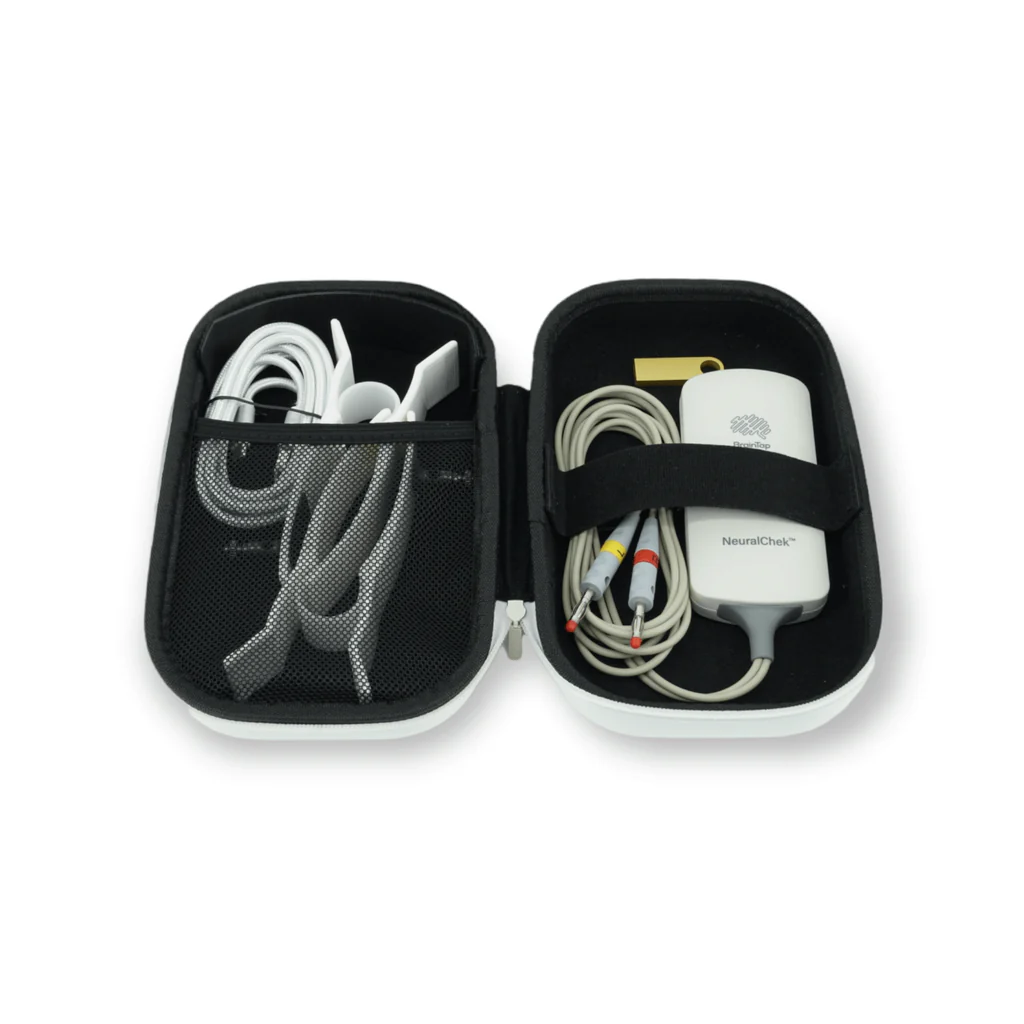
HRV measures the tiny fluctuations between each heartbeat. Higher variability generally means your nervous system is adaptable and resilient, while lower variability often indicates chronic stress or a system that’s struggling to recover. But here’s the thing — HRV doesn’t always tell the whole story. Certain medications, supplements, or other factors can influence heart rhythm patterns, meaning someone might show “normal” HRV results while their nervous system is actually under significant strain. That’s why our Stress Response Evaluation pairs HRV with a second layer of analysis to ensure nothing gets missed — giving us a far more accurate picture than HRV alone. Read what Lancaster patients have experienced through this approach on our testimonials page.
Brainwave Analysis
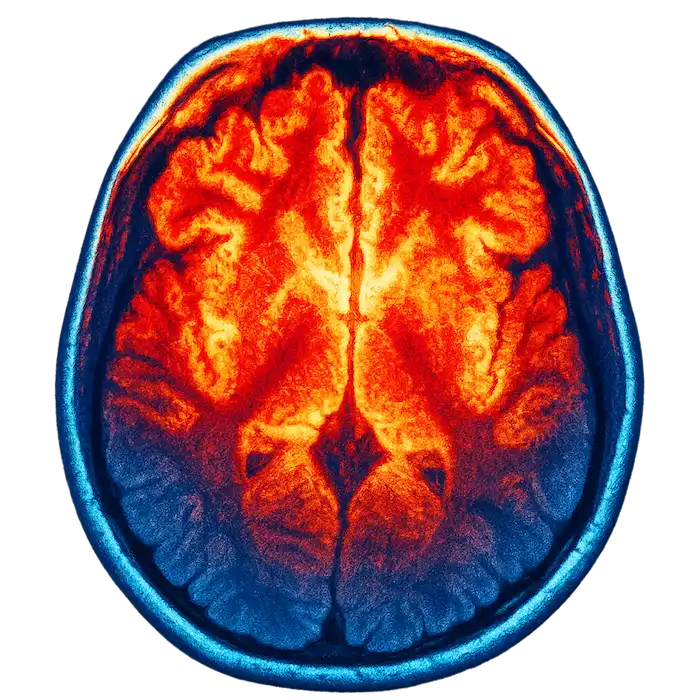
Your brain’s electrical patterns don’t lie. They reveal your true stress levels regardless of what’s happening with your heart rate.
Even when HRV appears normal, brainwave analysis often picks up on underlying stress that isn’t showing up elsewhere. It catches what the HRV assessment might miss—the tension your body has learned to hide or compensate for.
Together, these two assessments give us a complete picture. If stress is affecting your nervous system, we’ll find it.
Understand Your Stress Level's Today
Your evaluation results help Dr. Tony build a care plan specific to your body’s current state. Not a generic protocol—an approach based on what the numbers actually show.
This might include network spinal care to release stored tension, relaxation therapy to retrain your stress response, or specific lifestyle recommendations. The technology tells us where to focus. The care helps your body do what it already knows how to do—heal.
Start your journey toward enhanced mental clarity and reduced stress by contacting Dr. Tony Miller. We’ll discuss your unique needs and goals, determine the best approach, and create a customized stress level reduction plan specifically for you.
Stress Response Evaluation Related Blogs