

Heart rate variability (HRV) measures the tiny time differences between each heartbeat. It’s not about how fast your heart beats—it’s about how much that timing fluctuates. And those fluctuations reveal a lot about how your nervous system is handling stress, recovery, and overall health.
Your Heart Doesn’t Beat Like a Metronome
Most people assume a healthy heart keeps perfect time. Sixty beats per minute means one beat every second, right?
Not quite. A healthy heart actually varies its rhythm constantly. One beat might come at 0.9 seconds, the next at 1.1 seconds, the next at 0.95. These tiny variations happen so fast you’d never notice them. But they matter.
Higher variability generally signals a nervous system that’s adaptable and resilient. It can speed up when you need energy and slow down when you need rest. It responds to what’s happening and recovers quickly.
Lower variability often tells a different story. It can indicate a nervous system stuck in stress mode—one that’s lost some of its flexibility and struggles to bounce back.
What HRV Actually Measures
Your autonomic nervous system has two main branches that work together:
Sympathetic (fight or flight) accelerates your heart rate when you’re under pressure. It’s your gas pedal.
Parasympathetic (rest and digest) slows things down and promotes recovery. It’s your brake.
HRV reflects the balance between these two systems. When both are working well and communicating properly, you see healthy variability. When one dominates—usually the sympathetic side in our stress-heavy world—variability drops.
This isn’t just abstract data. Research published in the Harvard Health Blog has connected low HRV to increased risk of cardiovascular problems, slower recovery from illness, and higher levels of chronic inflammation.
Why This Matters Beyond the Numbers
At Life Potential Chiropractic, we see patients all the time who feel exhausted, anxious, or stuck—but their standard medical tests come back normal. Nothing’s technically “wrong,” yet something clearly isn’t right.
HRV often fills in that gap. It shows us what’s happening beneath the surface. A patient might look fine on paper but have HRV patterns that reveal a nervous system running on fumes.
This is why we include HRV assessment as part of our Stress Response Evaluation. It gives Dr. Tony objective data about how your body is actually coping with the demands of your life—not just how you feel on a given day.
The Limits of HRV (And Why We Don’t Stop There)
Here’s something worth knowing: HRV isn’t perfect. Certain medications, supplements, and other factors can influence heart rhythm patterns. Someone might show “normal” HRV while their nervous system is actually under significant strain. The numbers look fine, but they’re not telling the whole story.
That’s why we pair HRV with brainwave analysis. Your brain’s electrical patterns reveal stress levels that heart data might miss. If something is masking the true picture—whether it’s medication, caffeine, or just a body that’s learned to push through—brainwave patterns will often catch it.
Together, these two assessments give us a complete view. If stress is affecting your nervous system, we’ll find it.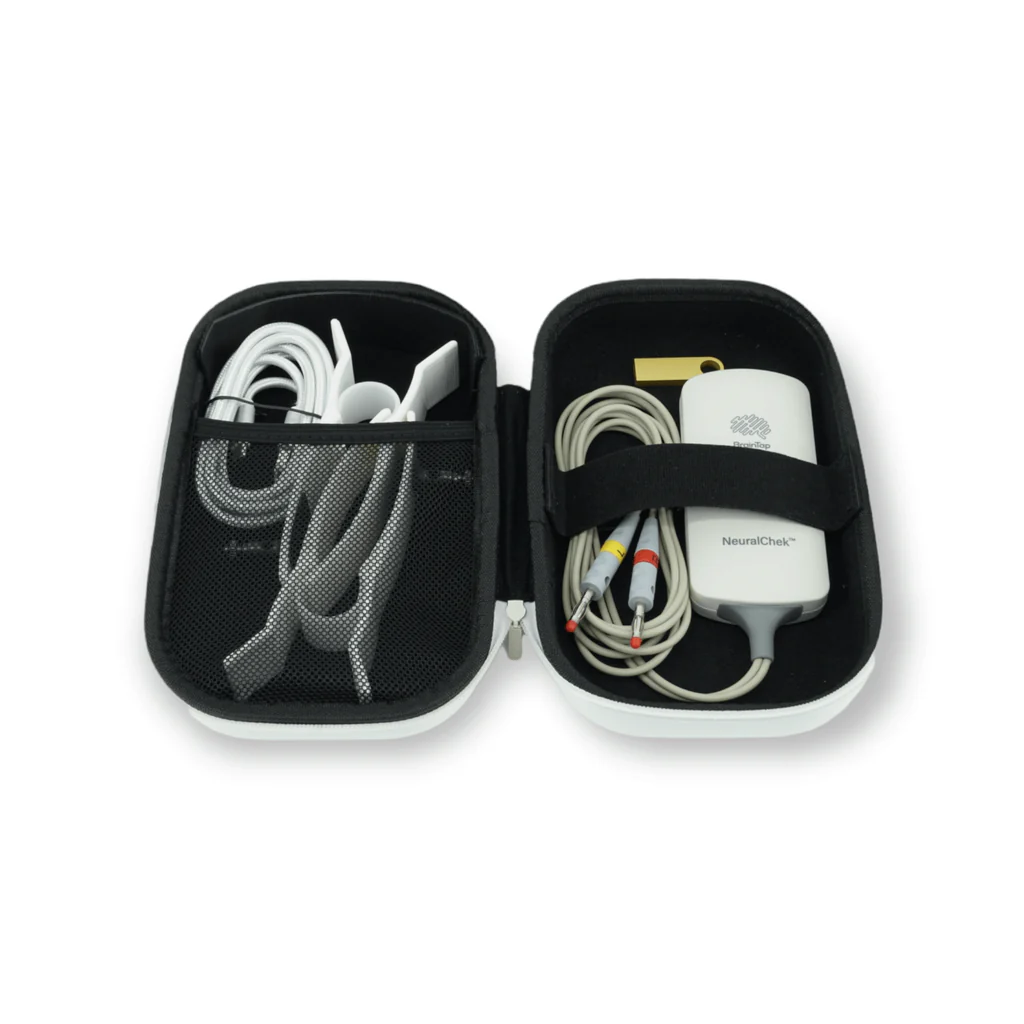
What Healthy HRV Looks Like
There’s no single “good” HRV number. It varies based on age, fitness level, genetics, and other factors. What matters more is the pattern over time and how your numbers compare to your own baseline.
That said, certain trends tend to show up:
- Higher HRV during rest suggests your parasympathetic system is doing its job
- HRV that recovers quickly after stress indicates good nervous system flexibility
- Consistently low HRV, especially paired with fatigue or mood changes, often points to a system that needs support
Athletes and biohackers have tracked HRV for years to optimize performance and recovery. But you don’t need to be running marathons to benefit from understanding your own patterns. Anyone dealing with chronic stress, sleep issues, or unexplained symptoms can gain insight from this data.
Can You Improve Your HRV?
Yes—and that’s the encouraging part. HRV isn’t fixed. It responds to changes in how you live, breathe, sleep, and manage stress.
Some things that tend to help:
- Quality sleep (not just quantity)
- Regular movement without overtraining
- Breathing practices that activate the parasympathetic system
- Reducing chronic stressors where possible
- Nervous system care that addresses stored tension
This last point is where network spinal care comes in. By releasing tension patterns held in the spine and nervous system, many patients see measurable improvements in their stress response over time. The body learns new strategies for handling pressure instead of staying locked in survival mode.
Getting Your Own Assessment
If you’re curious about what your HRV reveals—or you’ve been dealing with stress, fatigue, or health issues that don’t seem to have clear answers—a Stress Response Evaluation can provide clarity.
The assessment is quick, non-invasive, and gives you real data about how your nervous system is functioning right now. From there, Dr. Tony can help you understand what the numbers mean and what steps might help your body find its way back to balance.
Ready to see what’s really going on? Schedule a discovery consultation or call (717) 847-6498.