

Chronic stress and anxiety don’t just feel bad—they actually change how your nervous system functions. When stress becomes constant, your body gets stuck in “fight or flight” mode, which can lead to physical symptoms like muscle tension, headaches, digestive issues, and fatigue. The good news? Your nervous system can learn new patterns, and gentle, neurologically-focused care can help it shift out of survival mode and back toward balance.
Your Nervous System Under Stress
Your nervous system is the master control center for everything happening in your body. It regulates your heart rate, digestion, immune response, sleep, hormones—essentially every function that keeps you alive and well.
When you encounter a stressful situation, your sympathetic nervous system kicks into gear. This is the “fight or flight” response, and it’s designed to help you survive immediate danger. Your heart beats faster, your muscles tense, your digestion slows, and stress hormones like cortisol flood your system.
Here’s the problem: this response was meant to be temporary. Our ancestors needed it to escape predators or handle short-term threats. But modern life bombards us with constant low-grade stressors—work deadlines, financial pressure, relationship challenges, news cycles, traffic. Your nervous system can’t always tell the difference between a genuine threat and an overflowing inbox.
Over time, this creates what we call a “stuck” stress response. Your body forgets how to fully relax.
Signs Your Nervous System Is Overwhelmed
At Life Potential Chiropractic, we see patients every week who don’t realize their symptoms trace back to nervous system dysregulation. Some common signs include:
- Tension in your neck, shoulders, or jaw that never fully releases
- Difficulty falling asleep or staying asleep
- Feeling wired but exhausted at the same time
- Digestive problems like bloating, constipation, or an upset stomach
- Frequent headaches or migraines
- Brain fog or trouble concentrating
- Getting sick more often than you used to
- Feeling anxious or on edge even when nothing specific is wrong
These aren’t just “stress symptoms” to push through. They’re signals that your nervous system needs support.
Why Traditional Approaches Often Fall Short
Many people dealing with chronic stress and anxiety try various solutions—medication, talk therapy, meditation apps, supplements. These can all play a role, and I’m not here to dismiss any of them.
But here’s what often gets missed: if your nervous system is physically stuck in a stress pattern, you can’t always think or medicate your way out of it. The tension is stored in your body, particularly along your spine where your spinal cord and nerve roots live. Your body needs to actually experience a shift, not just understand one intellectually.
This is where a neurologically-focused approach becomes so valuable.
How Network Spinal Care Helps Your Nervous System Reset
Network Spinal is fundamentally different from what most people picture when they think of chiropractic care. There’s no cracking, popping, or forceful manipulation. Instead, it uses light, specific touches along the spine to help your nervous system develop new strategies for releasing tension and processing stress.
Think of it this way: your body has been running the same stress software for years, maybe decades. Network Spinal helps install an upgrade. Over time, patients often notice they respond differently to stressors—not because life gets easier, but because their nervous system has more flexibility and resilience.
In my years of practice, I’ve watched people transform through this work. Patients who came in for back pain discovered their anxiety improved. People who couldn’t sleep started sleeping through the night. The physical and emotional are deeply connected through the nervous system, so when one shifts, the other often follows.
If you want to understand more about how this approach works, I wrote a detailed post on Network Spinal care in Lancaster PA that explains the process.
Adding BrainTap for Deeper Relaxation
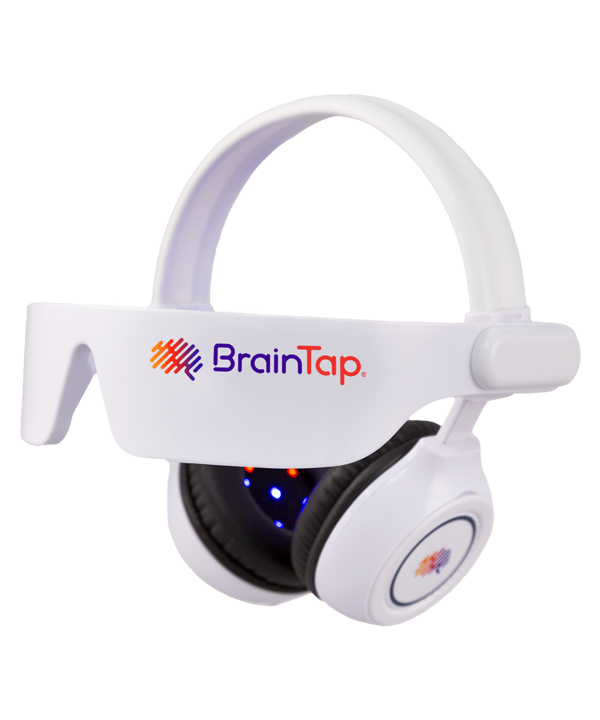
For patients dealing with significant stress and anxiety, we often recommend combining Network Spinal care with BrainTap therapy. BrainTap uses guided audio sessions with light and sound frequencies to help shift your brainwave patterns from stressed and scattered toward calm and focused.
It’s like a meditation shortcut. Even people who struggle to quiet their minds find BrainTap helps them drop into a relaxed state quickly. When used alongside Network Spinal care, the two approaches reinforce each other—you’re retraining your nervous system from multiple angles.
I go deeper into how this technology works in our BrainTap therapy blog post.
Measuring Your Progress
One thing I appreciate about our approach at Life Potential Chiropractic is that we don’t guess about your nervous system function—we measure it. Using the CLA NeuroPulse assessment, we can see exactly how your nervous system is handling stress and identify specific areas of tension.
This isn’t subjective. It gives us objective data showing where your nervous system is stuck and how it changes over time with care. For someone dealing with stress and anxiety, seeing concrete evidence that their nervous system is shifting can be incredibly validating. You’re not imagining the improvement—we can show you the numbers.
What to Expect When You Visit
If you’re considering care for stress and anxiety at our Lancaster office, here’s what the process looks like:
Your first visit includes a consultation with Dr. Tony Miller and a comprehensive nervous system assessment. We’ll talk about what you’re experiencing, review your health history, and run the NeuroPulse scan to see what’s happening in your nervous system.
Based on what we find, we’ll create a personalized care plan. Most patients start with a series of Network Spinal sessions, typically over several months. This isn’t a quick fix—we’re helping your nervous system learn new patterns, and that takes time and consistency.
Many patients notice initial changes within the first few weeks. Often it’s subtle at first—sleeping a little better, feeling slightly less reactive to stressors, noticing less tension in their shoulders. Over time, these small shifts compound into significant changes in how you feel day to day.
This Isn’t About Eliminating Stress
I want to be clear about something: the goal isn’t to eliminate stress from your life. That’s not realistic, and honestly, some stress is healthy. The goal is to help your nervous system become more adaptable and resilient so that stress doesn’t get stuck in your body.
When your nervous system is functioning well, you can face challenges, respond appropriately, and then return to a calm baseline. You recover faster. You don’t carry yesterday’s tension into today.
That’s what I see in patients who commit to this work. They’re not living stress-free lives—they’re living with nervous systems that can handle life’s demands without breaking down.
Taking the First Step
If chronic stress and anxiety have been affecting your quality of life, your nervous system might need more than rest and relaxation techniques. It might need hands-on support to shift out of old patterns.
At Life Potential Chiropractic, we help Lancaster-area residents find relief through gentle, neurologically-focused care. No cracking, no popping—just precise work to help your body remember how to heal and regulate itself.
Ready to see what’s possible? Schedule a consultation with Dr. Tony or call (717) 847-6498.