Spinal stenosis happens when the spaces within your spine narrow, putting pressure on the nerves that travel through it. It’s more common than most people realize, especially after age 50, and the symptoms can range from mildly annoying to genuinely debilitating.
The good news: surgery isn’t the only option. Many people find meaningful relief through conservative care that addresses the underlying patterns contributing to their symptoms.
Understanding What’s Happening in Your Spine
Your spinal column isn’t just a stack of bones. It’s a complex structure with vertebrae, discs, joints, ligaments, and a central canal where your spinal cord and nerves run. When everything has adequate space, signals flow freely between your brain and body.
Stenosis means that space has gotten tighter. This can happen in the central canal (central stenosis), in the openings where nerves exit the spine (foraminal stenosis), or both. When nerves get compressed, they let you know.
Most spinal stenosis develops gradually. Years of wear, postural stress, and accumulated tension eventually narrow the available space. By the time symptoms show up, the process has usually been underway for a while.
Common Symptoms
Spinal stenosis symptoms depend on where the narrowing occurs. In the lower back (lumbar stenosis), you might experience:
- Pain, cramping, or weakness in the legs
- Numbness or tingling that travels down from the lower back
- Symptoms that worsen with standing or walking
- Relief when sitting or bending forward
Cervical stenosis (in the neck) can cause:
- Neck pain and stiffness
- Numbness or tingling in the arms or hands
- Weakness in the arms or legs
- Balance problems in more severe cases
A hallmark of lumbar stenosis is that bending forward often feels better. That’s because flexion opens up the spinal canal slightly, relieving pressure. If you notice you’re more comfortable leaning on a shopping cart than walking upright, stenosis might be part of the picture.
What Causes Spinal Stenosis?
The most common cause is age-related degeneration. Over time:
- Discs lose height and bulge into the canal
- Facet joints enlarge due to arthritis
- Ligaments thicken and encroach on available space
- Bone spurs form as the body tries to stabilize the spine
But age isn’t the whole story. How you’ve used your spine matters too. Repetitive stress, poor posture, injuries, and chronic tension all accelerate the process. Two people the same age can have very different spines depending on their history.
Less commonly, stenosis can result from trauma, spinal tumors, or conditions you’re born with. But degenerative stenosis is by far the most common type we see.
The Nervous System Component
Here’s what often gets overlooked: stenosis isn’t just a mechanical problem. Yes, there’s physical narrowing. But how your nervous system responds to that narrowing matters enormously.
A spine under chronic stress—where muscles are constantly tight, movement is restricted, and the nervous system stays on high alert—tends to create more inflammation and more symptoms. The same degree of stenosis can feel very different depending on the state of the nervous system.
This is why two people with identical MRI findings can have completely different experiences. One might be in constant pain while the other barely notices symptoms. The structural picture doesn’t tell the whole story.
At Life Potential Chiropractic, we look at both. What’s happening structurally matters, but so does how your nervous system is handling it. Calming the nervous system often allows the body to adapt to structural changes more comfortably.
Non-Surgical Treatment Options
Surgery is sometimes necessary for severe stenosis, especially when there’s significant weakness or loss of function. But research suggests the picture isn’t as clear-cut as many assume.
A Cochrane systematic review examining surgical versus non-surgical treatment for lumbar spinal stenosis found that “we cannot conclude on the basis of this review whether surgical or non-surgical treatment is better.” The review also noted complication rates of 10-24% in surgical groups, while no side effects were reported for conservative treatment options.
This doesn’t mean surgery is never appropriate. It means conservative care deserves serious consideration first.
Network Spinal Care
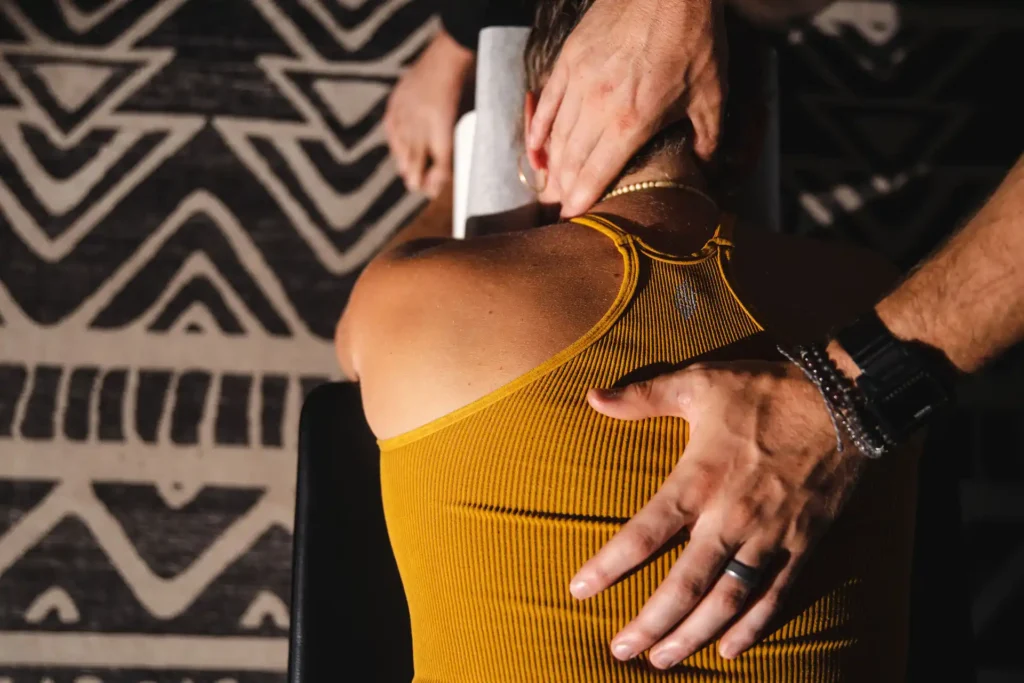
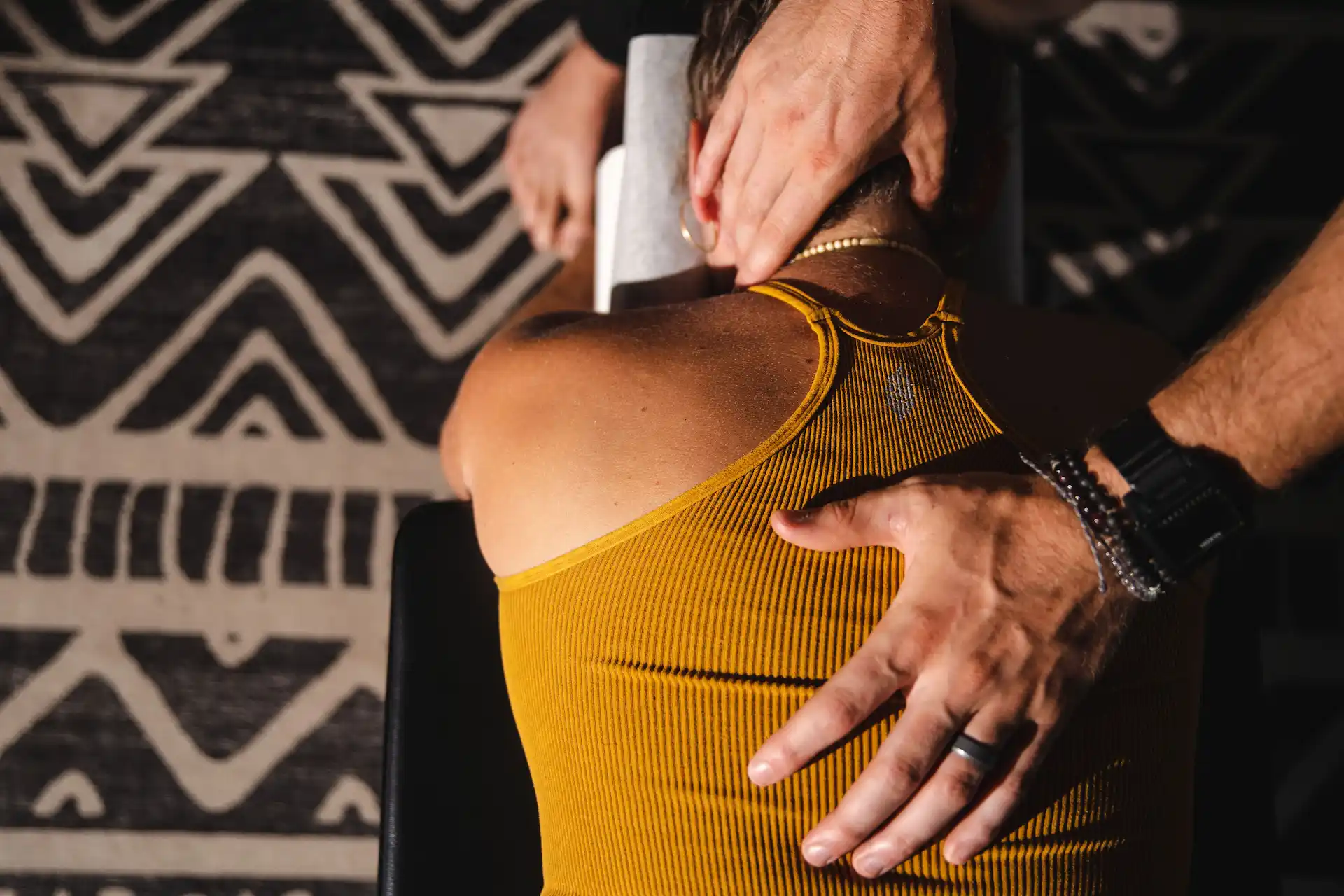
Network Spinal uses gentle touches along the spine to help release stored tension and improve nervous system function. For stenosis patients, reducing the chronic tension patterns that compress the spine can provide relief. The approach is especially well-suited for older patients or anyone who doesn’t want aggressive manual adjustments.
Movement and Stretching
Staying mobile matters. Flexion-based exercises (anything that involves gentle forward bending) tend to feel best because they open the spinal canal. Swimming, walking, and specific stretches can help maintain function and reduce stiffness.
Posture Modifications
Small changes can make a big difference. Using a supportive chair, taking breaks from prolonged standing, and sleeping in positions that keep the spine slightly flexed all reduce ongoing stress on narrowed areas.
Stress Response Work
When the nervous system is stuck in fight-or-flight, inflammation increases and pain perception amplifies. Our Stress Response Evaluation shows how your nervous system is functioning. Care that helps the body move out of chronic stress mode often reduces stenosis symptoms even when the structural narrowing remains unchanged.
When to Seek Care
If you’re experiencing any of these, it’s time to get evaluated:
- Leg or arm symptoms that don’t resolve with rest
- Progressive weakness in your limbs
- Balance or coordination problems
- Bladder or bowel changes (this requires immediate medical attention)
For most people, stenosis symptoms develop gradually and respond well to conservative care started early. The longer symptoms persist without intervention, the more the nervous system adapts to pain as the new normal. Earlier is generally better.
What to Expect at Our Practice
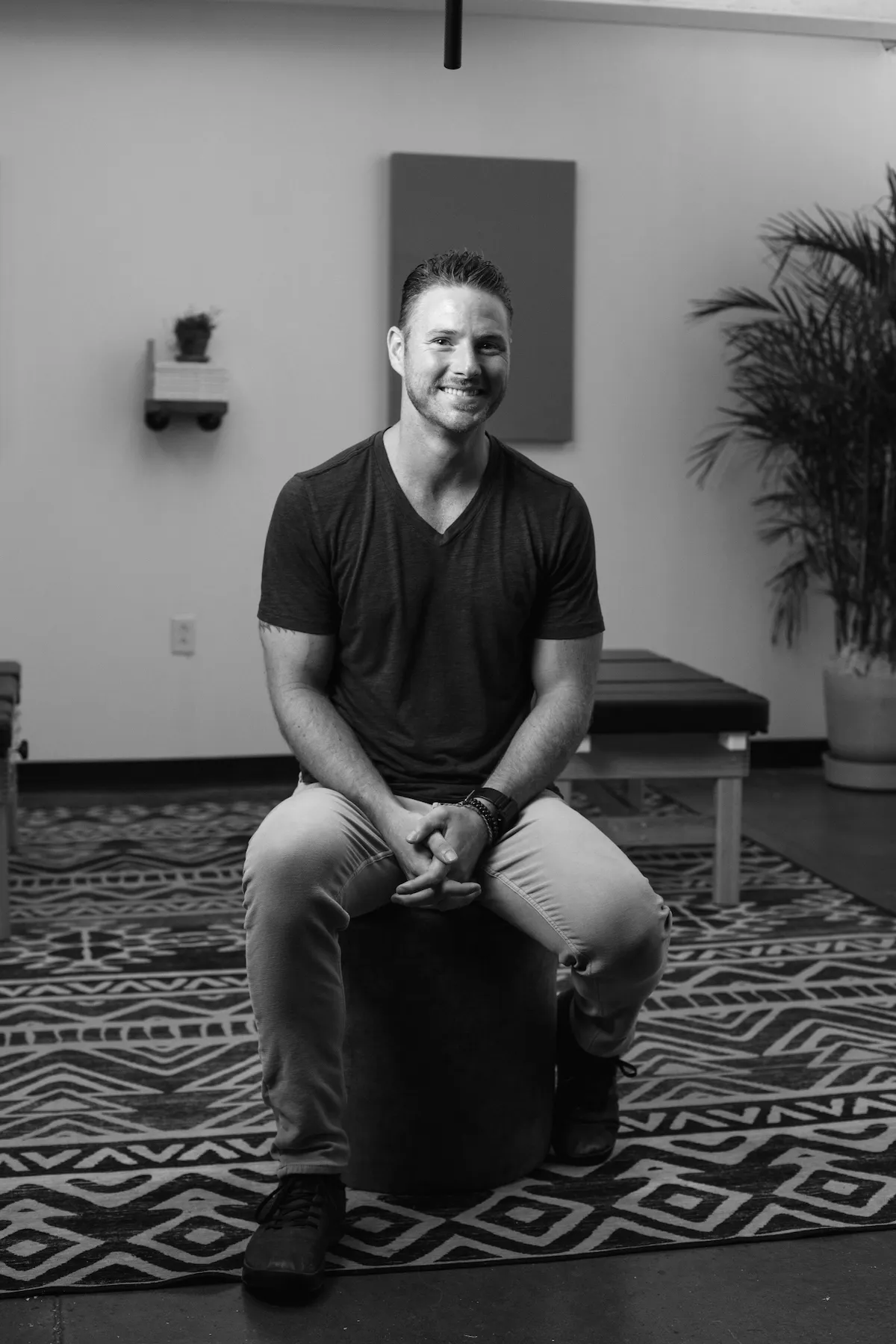
Dr. Tony takes time to understand your history, your symptoms, and what you’ve already tried. We’ll assess your spine and nervous system function—not just look at imaging. Many patients come in with MRI results showing stenosis and leave with a clearer understanding of why they feel the way they do.
Care is gentle and tailored to your situation. The goal isn’t to “fix” stenosis—we can’t reverse structural changes that have already occurred. But we can help your body adapt better, reduce tension that makes symptoms worse, and support your nervous system in handling the situation more effectively.
Living Well with Stenosis
Stenosis doesn’t have to mean constant pain or inevitable surgery. Many people manage their symptoms well for years with the right care and lifestyle modifications.
If you’re dealing with stenosis symptoms in Lancaster PA and want to explore non-surgical options, reach out for a consultation or call (717) 847-6498. Let’s see what’s possible for your situation.