
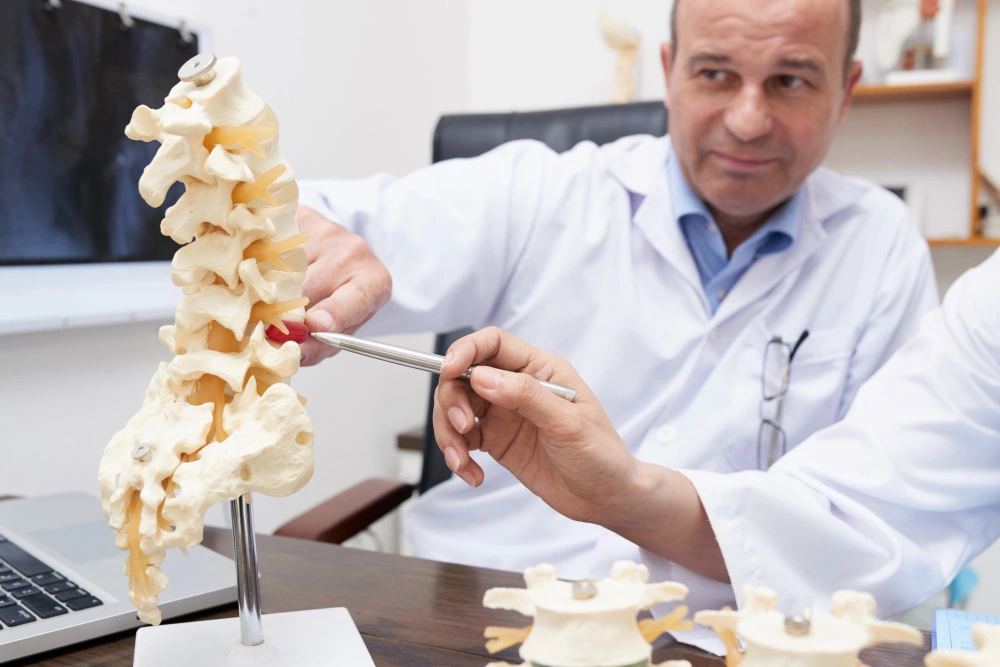
If you’re experiencing back pain, numbness, or tingling in your limbs, you may have heard terms like “bulging disk” and “herniated disk” thrown around. While these conditions sound similar, they’re actually quite different in their structure, severity, and treatment approaches.
Understanding the distinction between a bulging disk and a herniated disk is crucial for making informed decisions about your care. Both conditions affect the intervertebral disks, the cushion-like structures between your vertebrae, but they involve different types of damage and often require different treatment strategies.
Many people assume these terms are interchangeable, but recognizing the differences can help you better communicate with your healthcare provider and understand what’s happening in your spine. Whether you’re dealing with chronic back pain or trying to prevent future problems, knowing how these conditions differ empowers you to take control of your spinal health.
In this comprehensive guide, we’ll explore the anatomy of spinal disks, define both bulging and herniated disks, compare their differences, and discuss effective treatment options—with a special focus on how chiropractic care can help you find relief and restore function.
What is a Spinal Disk?
Before diving into the differences between bulging and herniated disks, it’s essential to understand what spinal disks are and why they’re so important to your overall health. These remarkable structures serve as your spine’s natural shock absorbers, protecting your vertebrae and enabling smooth, pain-free movement.
Your spine contains 23 intervertebral disks positioned between the vertebrae from your neck down to your lower back. Each disk plays a vital role in spinal mechanics, and when they become damaged or degenerated, the effects can significantly impact your quality of life.
Structure and Function of Spinal Disks
Spinal disks have a unique two-layer structure designed for both flexibility and strength. The outer layer, called the annulus fibrosus, consists of tough, fibrous cartilage arranged in concentric rings. This sturdy outer shell contains and protects the inner layer.
The inner core, known as the nucleus pulposus, is a gel-like substance composed of water and proteins. This soft, jelly-like center acts as a cushion, absorbing the compressive forces your spine experiences during daily activities.
Together, these two components create a flexible yet resilient structure that can withstand significant pressure while allowing your spine to bend, twist, and move in multiple directions.
Role in Spinal Health and Mobility
Spinal disks perform several critical functions that keep your spine healthy and mobile:
Shock absorption:
Cushioning the vertebrae during impact activities like running or jumping
Load distribution:
Evenly distributing the weight and forces across your spine
Movement facilitation:
Allowing flexibility for bending, twisting, and rotating
Vertebral separation:
Maintaining proper spacing between bones to protect nerve roots
When your disks are healthy and properly hydrated, they enable smooth, pain-free movement. However, when they become damaged, bulged, or herniated, these functions are compromised, often resulting in pain, reduced mobility, and nerve-related symptoms.
Understanding this foundation helps explain why disk problems can cause such widespread effects throughout your body and why maintaining disk health is crucial for overall wellness.
Defining Bulging Disks
A bulging disk is one of the most common spinal conditions, often developing gradually over time as part of the natural aging process or due to repetitive stress. While “bulging disk” sounds alarming, many people have bulging disks without experiencing any symptoms at all.
What is a Bulging Disk?
A bulging disk occurs when the outer layer of the disk (annulus fibrosus) weakens and the entire disk extends beyond its normal boundary between the vertebrae. Think of it like a hamburger that’s too big for its bun—the disk protrudes outward, but the outer layer remains intact.
This condition typically affects a large portion of the disk’s circumference, sometimes extending around 25-50% or more of the disk’s perimeter. The bulge is usually gradual and symmetrical, creating a gentle protrusion rather than a dramatic rupture.
Importantly, in a bulging disk, the gel-like nucleus pulposus remains contained within the annulus fibrosus. The outer shell hasn’t torn or ruptured—it’s simply stretched beyond its normal position. This is a key distinction from a herniated disk.
Bulging disks are extremely common, particularly as we age. Studies show that many people over 30 have at least one bulging disk, often without knowing it. In fact, research indicates that bulging disks can be present in up to 30% of people who have no back pain symptoms whatsoever.
Causes and Risk Factors of Bulging Disks
Several factors can contribute to the development of bulging disks:
Age-related degeneration:
Natural loss of disk hydration and elasticity over time, similar to degenerative disc disease
Repetitive strain:
Ongoing stress from activities like heavy lifting or prolonged sitting
Poor posture:
Misalignment that places uneven pressure on disks
Obesity:
Excess weight increasing load on the spine
Genetics:
Family history of disk problems
Occupation:
Jobs requiring repetitive bending, lifting, or vibration exposure
Unlike sudden injuries, bulging disks typically develop gradually over months or years. This slow progression is why many people don’t notice symptoms until the condition has advanced.
Symptoms and Diagnosis of Bulging Disks
Many bulging disks are asymptomatic, but when symptoms do occur, they may include localized back or neck pain, mild stiffness, and reduced flexibility. If the bulge presses on nearby nerves, you might experience radiating pain, numbness, or tingling.
Diagnosis typically involves physical examination, patient history, and imaging studies like MRI to visualize the disk and determine the extent of the bulge.
Defining Herniated Disks
A herniated disk represents a more severe form of disk damage compared to a bulging disk. While both conditions involve disk displacement, a herniated disk involves an actual rupture or tear in the disk’s outer layer, allowing the inner material to escape.
This condition is sometimes called a “ruptured disk” or “slipped disk,” though these terms are somewhat misleading—the disk doesn’t actually slip out of place but rather tears and leaks its inner contents.
What is a Herniated Disk?
A herniated disk occurs when the outer annulus fibrosus develops a tear or rupture, allowing the soft, gel-like nucleus pulposus to push through the opening. This is fundamentally different from a bulging disk where the outer layer remains intact.
The herniation can range from a small tear with minimal leakage to a complete rupture where a significant amount of the nucleus pulposus escapes. The leaked material often presses directly on nearby spinal nerves, causing more severe and specific symptoms than a typical bulging disk.
There are actually several types of herniations based on the extent of the rupture:
- Protruded disk: The nucleus bulges into the tear but hasn't completely broken through
- Extruded disk: The nucleus breaks through the outer layer but remains connected
- Sequestered disk: A fragment of the nucleus completely separates from the disk
According to spine specialists, herniated disks most commonly occur in the lower back (lumbar spine) but can also develop in the neck (cervical spine). The leaked disk material can trigger inflammation and chemical irritation of nearby nerves, intensifying pain beyond just mechanical compression.
For more information about herniated disk conditions, visit our page on herniated and bulging discs.
Causes and Risk Factors of Herniated Disks
Herniated disks can result from both acute injuries and gradual degeneration:
Sudden trauma:
Car accidents, falls, or sports injuries causing immediate disk rupture
Improper lifting:
Using poor technique when lifting heavy objects
Age-related weakness:
Degeneration making disks more susceptible to tearing
Repetitive stress:
Cumulative damage from ongoing strain
Genetic factors:
Inherited tendency toward disk problems
Smoking:
Reduced oxygen supply to disk tissue, accelerating degeneration
Unlike bulging disks that develop slowly, herniated disks can occur suddenly when excessive force or awkward movement causes the outer layer to tear.
Symptoms and Diagnosis of Herniated Disks
Herniated disk symptoms are typically more severe and specific than those of bulging disks. Common symptoms include:
- Sharp, shooting pain along the nerve pathway (sciatica in the legs or radiculopathy in the arms)
- Significant numbness or tingling in specific areas
- Muscle weakness in affected limbs
- Loss of reflexes
- Electric shock-like sensations
The location and severity of symptoms depend on which disk is herniated and which nerves are affected. Lumbar herniations often cause leg pain, while cervical herniations typically affect the arms and hands.
Diagnosis involves a thorough physical examination including neurological testing, followed by imaging studies. MRI scans are the gold standard for visualizing herniated disks, clearly showing the tear in the annulus and the escaped nucleus material.
Key Differences Between Bulging and Herniated Disks
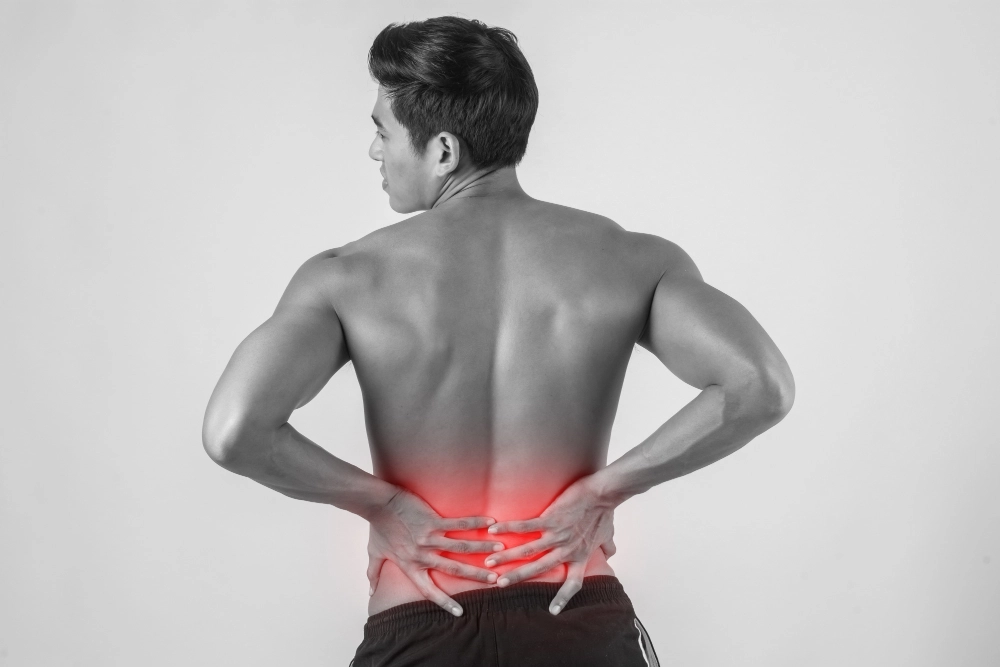
While bulging and herniated disks both involve displacement of the intervertebral disk, they differ significantly in their structure, severity, symptoms, and treatment approaches. Understanding these distinctions is crucial for proper diagnosis and effective treatment planning.
Structural Differences Explained
The most fundamental difference between these conditions lies in the integrity of the disk’s outer layer.
Bulging Disk Structure:
- The annulus fibrosus remains intact
- The entire disk extends beyond normal boundaries
- The nucleus pulposus stays contained within the outer layer
- The protrusion is typically broad and symmetrical
- No tear or rupture is present
Herniated Disk Structure:
- The annulus fibrosus has a tear or rupture
- Only a portion of the disk protrudes through the tear
- The nucleus pulposus escapes through the opening
- The herniation is usually localized to one area
- There's an actual breach in the disk wall
Think of a bulging disk like a balloon that’s been squeezed—it bulges out but remains sealed. A herniated disk is more like a jelly donut that’s been bitten into—the filling leaks out through the break in the outer layer.
This structural difference has significant implications. The leaked nucleus material in a herniated disk can directly contact nerve roots and release inflammatory chemicals, often causing more intense and specific symptoms than a bulging disk.
Severity and Symptoms Comparison
The severity and symptom patterns differ considerably between these two conditions.
Bulging Disk Symptoms:
- Often asymptomatic or causing mild discomfort
- Generalized, dull aching in the back or neck
- Symptoms may be intermittent or activity-related
- Less likely to cause nerve compression
- Minimal impact on daily activities in many cases
Herniated Disk Symptoms:
- Usually symptomatic with more severe pain
- Sharp, shooting pain along specific nerve pathways
- Consistent symptoms that may worsen over time
- More likely to cause numbness, tingling, and weakness
- Can significantly interfere with daily activities
The leaked material from a herniated disk often causes chemical irritation and inflammation in addition to mechanical nerve compression. This dual mechanism explains why herniated disk pain is typically more intense and persistent than bulging disk discomfort.
However, it’s important to note that symptom severity doesn’t always correlate perfectly with the imaging findings. Some people have large herniations with minimal symptoms, while others have small bulges causing significant pain due to their precise location relative to nerve structures.
Diagnostic Imaging Differences
Both conditions are diagnosed using similar imaging techniques, but they appear distinctly different on MRI scans.
On MRI images:
- Bulging disks show a broad, symmetrical extension of the entire disk beyond vertebral margins
- Herniated disks display a localized protrusion with visible tears in the annulus and nucleus material extending through the rupture
- Herniated disks often show more pronounced nerve compression and inflammation in surrounding tissues
Radiologists use specific terminology to describe these findings, and understanding the distinction helps guide treatment decisions. Your healthcare provider will correlate the imaging findings with your symptoms to develop the most appropriate treatment plan.
Treatment Options for Bulging and Herniated Disks

Both bulging and herniated disks can be effectively treated with conservative, non-surgical approaches in the majority of cases. Understanding your treatment options empowers you to make informed decisions about your care and gives you realistic expectations about your recovery timeline.
Conservative Treatments (Physical Therapy, Medication)
Most disk conditions respond well to conservative treatment, which should always be the first approach before considering surgical options.
Medication management:
Typically includes over-the-counter anti-inflammatory drugs (NSAIDs) to reduce pain and inflammation, muscle relaxants for muscle spasms, and occasionally prescription pain medication for severe acute episodes. While medications provide symptom relief, they don’t address the underlying structural problem.
Physical therapy:
Plays a crucial role in disk injury recovery. A qualified physical therapist designs specific exercises to strengthen core muscles, improve flexibility, and correct movement patterns that may have contributed to the disk problem.
Physical therapy approaches include:
- Core strengthening exercises to support the spine
- Stretching programs to reduce muscle tension
- Postural training and body mechanics education
- Manual therapy techniques to improve joint mobility
Other conservative approaches include rest during acute flare-ups (though prolonged bed rest is not recommended), ice and heat therapy, and epidural steroid injections for severe nerve inflammation.
Research shows that approximately 80-90% of people with herniated disks improve with conservative treatment within six weeks to three months.
Chiropractic Care Approaches
Chiropractic treatment offers a comprehensive approach to disk problems, addressing both symptoms and underlying biomechanical dysfunction. Many patients find that chiropractic care provides significant relief and helps them avoid surgery.
Chiropractors use several specialized techniques for disk conditions:
Spinal decompression:
It involves gentle stretching of the spine to create negative pressure within the disk, potentially drawing herniated material back into position and promoting healing. This technique has shown promising results for both bulging and herniated disks.
Gentle adjustments:
Using low-force techniques help restore proper spinal alignment and reduce pressure on affected disks and nerves. For disk conditions, chiropractors often use flexion-distraction technique or instrument-assisted adjustments rather than traditional high-velocity manipulation.
Soft tissue therapy:
It addresses muscle tension and inflammation in surrounding tissues, promoting better circulation and supporting the healing process.
Some practices also offer Network Spinal care, an advanced approach that works with the nervous system to promote healing and improved spinal function through gentle, precise contacts along the spine.
Chiropractic care for disk problems is typically most effective when started early and combined with home exercises and lifestyle modifications. Treatment plans are customized based on the specific location and severity of your disk condition.
When Is Surgery Recommended?
While most disk problems resolve with conservative treatment, surgery may be considered in specific circumstances:
Severe neurological symptoms:
Progressive weakness, loss of bowel or bladder control, or significant loss of sensation
Cauda equina syndrome:
A rare but serious condition requiring immediate surgical intervention
Failed conservative treatment:
No improvement after 6-12 weeks of comprehensive conservative care
Intolerable pain:
Severe pain that significantly impairs quality of life despite all other treatments
Common surgical procedures include microdiscectomy (removing the herniated portion) or diskectomy with fusion (removing the disk and fusing adjacent vertebrae). While surgery can be effective, it carries risks and doesn’t guarantee symptom resolution.
Most spine surgeons recommend exhausting conservative options, including chiropractic care, before considering surgery. Many patients who were initially told they needed surgery find significant relief through comprehensive chiropractic treatment.
Prevention and Lifestyle Tips

Preventing disk problems is far easier than treating them. Whether you’re recovering from a current disk condition or simply want to maintain a healthy spine, incorporating these lifestyle strategies can significantly reduce your risk of developing bulging or herniated disks.
Exercises to Support Spinal Health
Regular exercise is one of the most effective ways to protect your spinal disks. Focus on building strength, flexibility, and endurance in the muscles that support your spine.
Recommended exercises include:
Core strengthening
Planks, bridges, and bird dogs to build abdominal and back muscle support
Low-impact aerobics
Walking, swimming, or cycling to maintain disk nutrition through movement
Stretching routines
Gentle yoga or targeted stretches to maintain flexibility
Specific stabilization exercises
Exercises prescribed by your chiropractor or physical therapist targeting your individual needs
Avoid high-impact activities like running on hard surfaces or activities involving excessive twisting and bending during the acute phase of disk problems. As you heal, gradually reintroduce more challenging activities under professional guidance.
Consistency is key—regular, moderate exercise is more beneficial than sporadic intense workouts. Aim for at least 30 minutes of physical activity most days of the week.
Ergonomic and Posture Recommendations
How you position your body throughout the day significantly impacts your spinal disk health. Poor posture and ergonomics place excessive stress on disks, accelerating wear and tear.
Workplace ergonomics
- Adjust your computer monitor to eye level
- Keep your feet flat on the floor with knees at 90 degrees
- Use a chair with proper lumbar support
- Take frequent breaks to stand and move (every 30-60 minutes)
Lifting techniques
- Bend at your knees, not your waist
- Keep objects close to your body
- Avoid twisting while lifting
- Ask for help with heavy or awkward items
Sleep positioning
- Sleep on your side with a pillow between your knees, or on your back with a pillow under your knees
- Choose a supportive mattress that maintains spinal alignment
- Replace your pillow regularly to ensure adequate neck support
Daily habits
- Maintain a healthy weight to reduce spinal load
- Stay hydrated to support disk nutrition
- Avoid prolonged sitting or standing in one position
- Practice proper posture awareness throughout the day
These simple adjustments, when practiced consistently, can dramatically reduce your risk of developing disk problems and support your recovery if you’re currently dealing with a disk condition.
Conclusion
Understanding the differences between bulging and herniated disks empowers you to make informed decisions about your spinal health. While both conditions involve disk displacement, they differ in structure, severity, and treatment approaches.
The good news is that both conditions usually respond well to conservative treatment, with 80-90% of patients improving without surgery. Chiropractic care offers an effective, non-invasive approach that addresses both symptoms and underlying biomechanical dysfunction.
Key takeaways for managing disk conditions include:
- Seeking early evaluation and treatment
- Following a comprehensive, conservative treatment plan
- Staying active with appropriate exercises
- Maintaining proper posture and ergonomics
- Being patient with the healing process
If you’re dealing with back or neck pain, numbness, or other symptoms that may indicate a disk problem, don’t ignore the warning signs. Professional evaluation can determine the exact nature of your condition and guide you toward the most effective treatment approach for your specific situation.
Remember that your spine supports nearly every movement you make and protects your vital nervous system. Investing in its health through proper care, preventive measures, and timely treatment when problems arise ensures you can continue living an active, pain-free life.