

When cold and flu season hits, most people think about vitamin C, hand sanitizer, and maybe getting more sleep. What rarely comes up is the nervous system. But it should—because your nervous system and immune system are in constant communication. When one struggles, the other often follows.
The Brain-Immune Connection
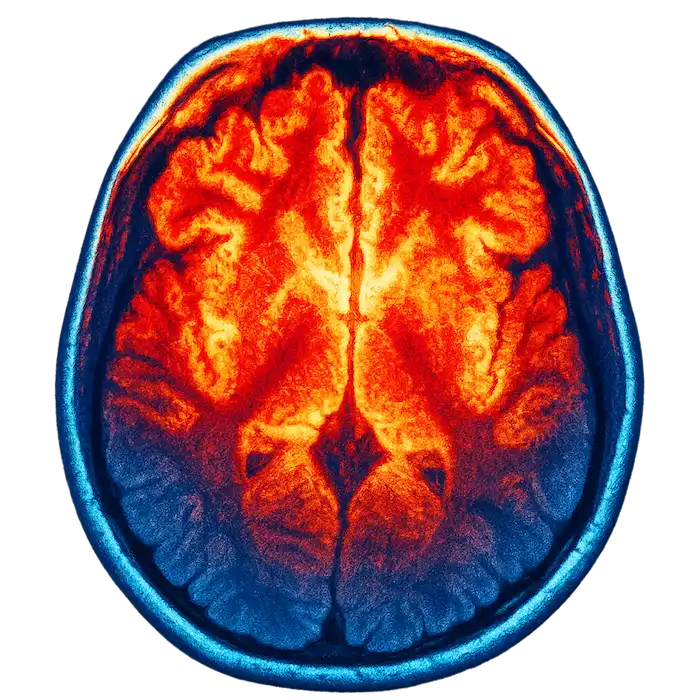
Your immune system doesn’t operate independently. It takes cues from your brain and nervous system about what threats to prioritize and how aggressively to respond.
This communication happens through several pathways:
The vagus nerve runs from your brainstem through your chest and abdomen, touching nearly every major organ including immune tissues. It’s a major line of communication between brain and body.
Stress hormones like cortisol directly influence immune cell behavior. Short bursts of cortisol actually boost immune response temporarily. But chronic elevation suppresses it.
Inflammatory signals travel both directions. The brain monitors inflammation throughout the body and adjusts its responses accordingly.
This is why you’re more likely to get sick after a stressful period. It’s not coincidence. The nervous system has been prioritizing survival over maintenance, and immune function takes the hit.
What Happens When Stress Becomes Chronic
Acute stress—the kind that comes and goes—can actually enhance immune function briefly. Your body prepares to fight or flee, and part of that preparation includes readying the immune system for potential injury or infection.
Chronic stress is different. When the nervous system stays in fight-or-flight mode for weeks, months, or years, the immune consequences add up:
- Reduced production of lymphocytes (the white blood cells that fight infection)
- Impaired function of natural killer cells (which target viruses and cancer cells)
- Slower wound healing
- Increased susceptibility to infections
- More severe symptoms when you do get sick
A comprehensive meta-analysis published in Psychological Bulletin analyzed over 300 studies on stress and immunity. The findings were clear: chronic stressors were associated with suppression of both cellular and humoral immune measures. Brief stressors like exams tended to suppress cellular immunity, while chronic ongoing stressors showed broader suppressive effects.
This isn’t weakness. It’s physiology. A nervous system stuck in survival mode redirects resources away from long-term maintenance (including immune surveillance) toward immediate threat response. It’s a reasonable trade-off for short-term danger—but devastating when it becomes the default state.
The Spine’s Role in All of This
Here’s where chiropractic care enters the picture. Your spinal cord is the physical highway connecting your brain to the rest of your body. When there’s tension, restriction, or dysfunction in the spine, it affects how signals flow through that highway.
Research has explored this connection. A systematic review published in JAMA Network Open examined studies on spinal manipulative therapy and immune system outcomes. While the researchers noted that clinical evidence remains limited and more high-quality studies are needed, they found that some preliminary studies showed changes in immunological biomarkers following spinal manipulation.
It’s worth being honest here: the research connecting chiropractic care directly to immune enhancement is still developing. What we do know is that chronic stress suppresses immunity, that the nervous system regulates immune function, and that chiropractic care influences nervous system function. The connections are there, even if the direct clinical evidence is still being built.
At Life Potential Chiropractic, we see this play out regularly. Patients come in for back pain or headaches and mention—almost as an aside—that they seem to catch everything going around. When we assess their nervous systems, the pattern often makes sense. Their stress response is stuck on high. Recovery capacity is low.
As Dr. Tony works with them through Network Spinal care, their primary complaints improve. But so does their resilience. They stop getting sick as often. When they do get sick, they recover faster.
We’re not claiming to boost immunity directly. We’re helping the nervous system find its way back to balance—and a balanced nervous system supports immune function naturally.
Measuring Your Nervous System’s State
How do you know if your nervous system is running hot? You can guess based on symptoms—fatigue, sleep problems, feeling wired but tired, frequent illness. But guessing only gets you so far.
Our Stress Response Evaluation provides objective data. By measuring heart rate variability and brainwave patterns, we can see how your autonomic nervous system is actually functioning. Are you stuck in sympathetic dominance? Does your parasympathetic system have enough strength to bring you back to baseline? Is chronic stress showing up in ways you’ve learned to ignore?
This information shapes the care plan. It’s not one-size-fits-all. Someone with severe nervous system depletion needs a different approach than someone with mild imbalance.
Practical Steps for Nervous System-Immune Health
Beyond chiropractic care, several lifestyle factors support both nervous system regulation and immune function:
Sleep is non-negotiable. Your immune system does critical work during deep sleep. Chronic sleep deprivation suppresses immune function reliably and significantly. Most adults need 7-9 hours, and quality matters as much as quantity.
Movement helps—but intensity matters. Moderate exercise supports immune function. Overtraining or high-intensity exercise when you’re already depleted can suppress it. Listen to your body.
Nutrition plays a role. Whole foods, adequate protein, and key micronutrients (vitamin D, zinc, vitamin C) support immune cell production and function. Processed foods and excess sugar create inflammation that distracts the immune system.
Stress management isn’t optional. Whatever helps you shift out of fight-or-flight—breathwork, time in nature, genuine rest, meaningful connection—supports both nervous system and immune health.
Reducing toxic load. Constant exposure to environmental stressors (pollution, chemicals, even excessive screen time) taxes the nervous system and leaves fewer resources for immune maintenance.
Why This Matters More Than Ever
Modern life isn’t designed for nervous system health. Constant connectivity, information overload, sedentary work, processed food, disrupted sleep—these are the norms, not the exceptions. And they all push toward sympathetic dominance.
Meanwhile, immune challenges aren’t going away. Whether it’s seasonal viruses, novel pathogens, or just the everyday bacteria and toxins we encounter, your immune system has plenty to do.
The question is whether your nervous system is supporting that work or undermining it.
A Different Approach to Staying Well
Most wellness advice focuses on killing germs or boosting specific immune markers. Take this supplement. Avoid that exposure. And those things can help.
But there’s a more fundamental question: is your nervous system in a state that allows your immune system to do its job?
If you’re stuck in chronic stress, no amount of vitamin C compensates for that. Your body is too busy surviving to invest in defense.
Dr. Tony Miller approaches wellness through this lens. By helping your nervous system find its way back to balance—through gentle Network Spinal care, through understanding your stress response patterns, through addressing the root rather than chasing symptoms—we support your body’s innate ability to protect and heal itself.
Curious what your nervous system has to say about your health? Schedule a discovery consultation or call (717) 847-6498.